


The Glow Journal
*
The Glow Journal *

Neurotoxin 101: What it can (and Can’t) Do
Neurotoxin is one of our most popular treatments and one of the most misunderstood. Here is what it does well, what it can’t do, and what to expect at your visit.
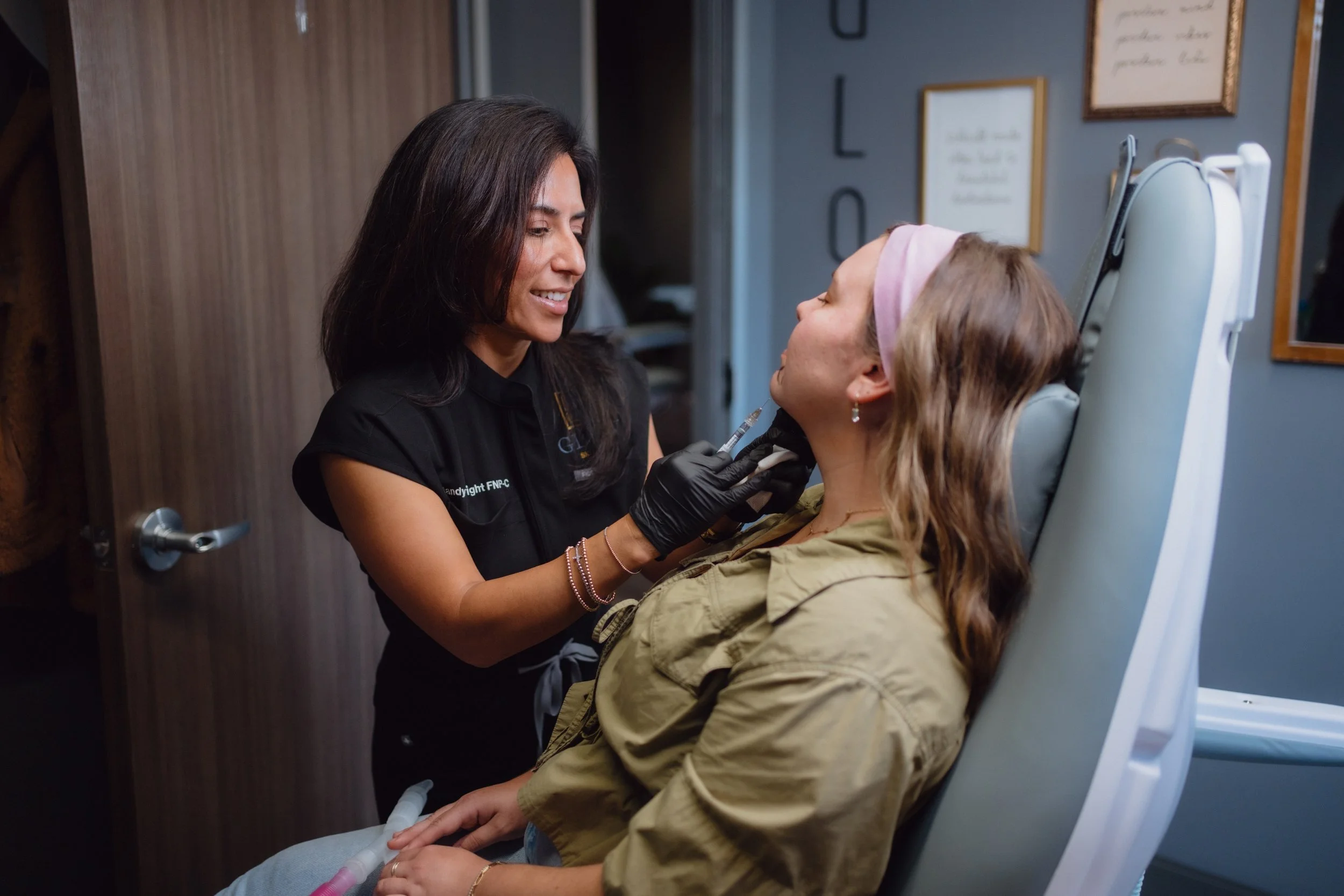
Neurotoxin is one of our most popular treatments at Glow Skin Lab. It is also one of the most misunderstood. You may know the brand names, like Botox, Dysport, Xeomin, Jeuveau, and Daxxify. You may have heard a few myths, too.
This guide explains what neurotoxin is, what it does well, and what it can't do. Knowing both sides helps you know what to expect, so you can love your results.

What is neurotoxin?
Neurotoxin is a protein that relaxes certain muscles for a while. That is all it does. It does not fill, plump, or tighten your skin.
Here is how it works. When you frown, squint, or raise your eyebrows, a muscle tightens. That muscle folds the skin on top of it. Over the years, those folds turn into lines. When the muscle relaxes, it can't fold the skin as much. The lines soften, and new lines are less likely to form.
That is why neurotoxin works best on movement lines. These are lines that show up when you smile, frown, or raise your brows. They fade when your face is still.
What neurotoxin can help with
The most common areas we treat are the upper face:
- Frown lines (the "11s") between the eyebrows
- Forehead lines that run side to side
- Crow's feet at the outer corners of the eyes
Our providers can also use small amounts in other areas, such as:
- Bunny lines on the sides of the nose when you scrunch it
- A small brow lift to open up the eyes
- A "lip flip" to relax the upper lip so more of it shows when you smile
- A gummy smile, so less gum shows when you laugh
- Chin dimpling, the bumpy look some chins get when you talk
- Neck bands that pop out when you tense your neck
- Jaw slimming by relaxing a large chewing muscle
Neurotoxin has some medical uses, too. It may help with heavy underarm sweating. For some people, it may help with jaw clenching and teeth grinding. Some of these are best treated by another kind of doctor. If so, we will tell you.
Good to know: some of these uses are not officially approved by the FDA for cosmetic use. This is called "off-label" use, and it is common in cosmetic treatments. Your provider will explain what this means for you.
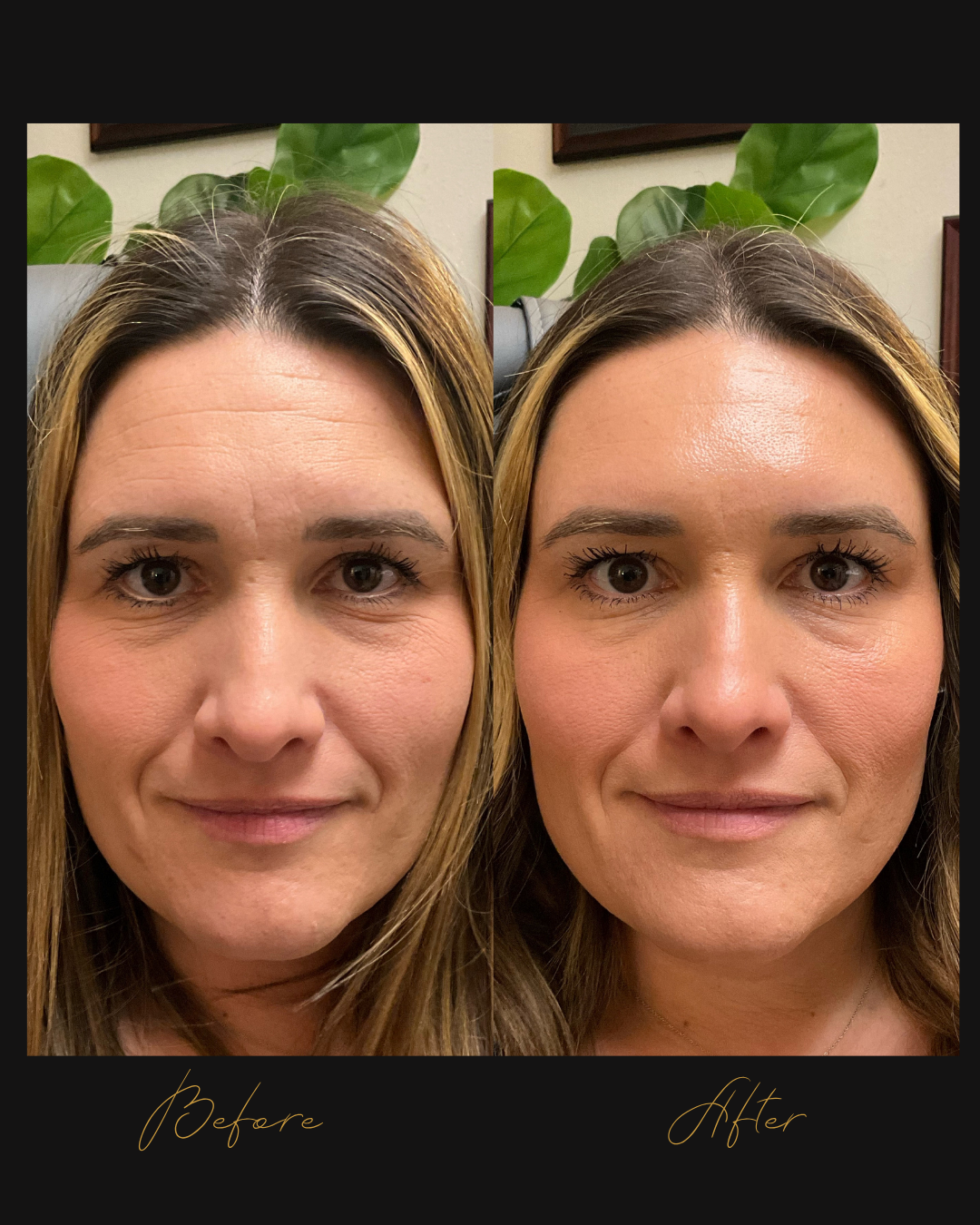
Before and After Upper Face Neurotoxin Treatment
What neurotoxin can't do
Neurotoxin only relaxes muscles. So there are many skin concerns it can't fix. Here are the big ones, and what may help instead.
| Your concern | Why neurotoxin won't fix it | What may help instead |
|---|---|---|
| Lost fullness (hollow cheeks, hollows under the eyes, thinner lips) | It does not add fullness | Filler, or treatments that help your skin build back firmness |
| Loose or sagging skin, or jowls | It does not lift or tighten skin | Skin tightening treatments, or a visit with a plastic surgeon |
| Deep lines that show even when your face is still | It can soften them, but may not erase lines that are already set in | Neurotoxin plus filler, microneedling, or a peel |
| Smile lines around the nose and mouth | These come mostly from losing fullness, not from muscles | Filler, often with good skincare |
| Rough skin, large pores, or acne scars | It does not change the top layer of your skin | Facials, peels, microneedling, and professional skincare |
| Sun spots, redness, or uneven skin color | It does not change skin color or dark spots | Peels, laser or light treatments, and daily sunscreen |
| Fat under the chin | It does not melt fat | Fat-reduction treatments, or a visit with a plastic surgeon |
The bottom line: neurotoxin is great for movement lines, but it is just one tool. Most people get their best results by combining a few treatments over time.
What to expect
Every new patient starts with a consultation. Your provider will talk with you about your goals and make sure neurotoxin is medically right for you before any treatment is done.
- The treatment visit is quick. Once your consultation is done, your treatment visit takes about 30 minutes total. Most people go right back to their day.
- Results take a little time. Many people see a change in a few days. Full results show up at about two weeks.
- It does not last forever. Results usually last about three to four months. This depends on the product, the area, and your body. Regular touch-ups keep your results looking steady.
- "Frozen" is not the goal. Your provider can adjust the amount and where it goes, so you still look like you, just more rested.
Like any medical treatment, neurotoxin can have side effects. These may include mild bruising, soreness, or a headache. Your provider will go over these with you and answer your questions first.
Not sure if neurotoxin is right for you?
That is what a consultation is for. We will talk about your concerns and what results to expect. Then we will suggest a plan that fits your goals, with or without neurotoxin.
To book a consultation, call us at 210-510-0777 or book online here.
This article is for learning only. It is not medical advice. Results are different for everyone. Treatment is only given after a consultation with one of our licensed providers, and only if it is medically right for you.
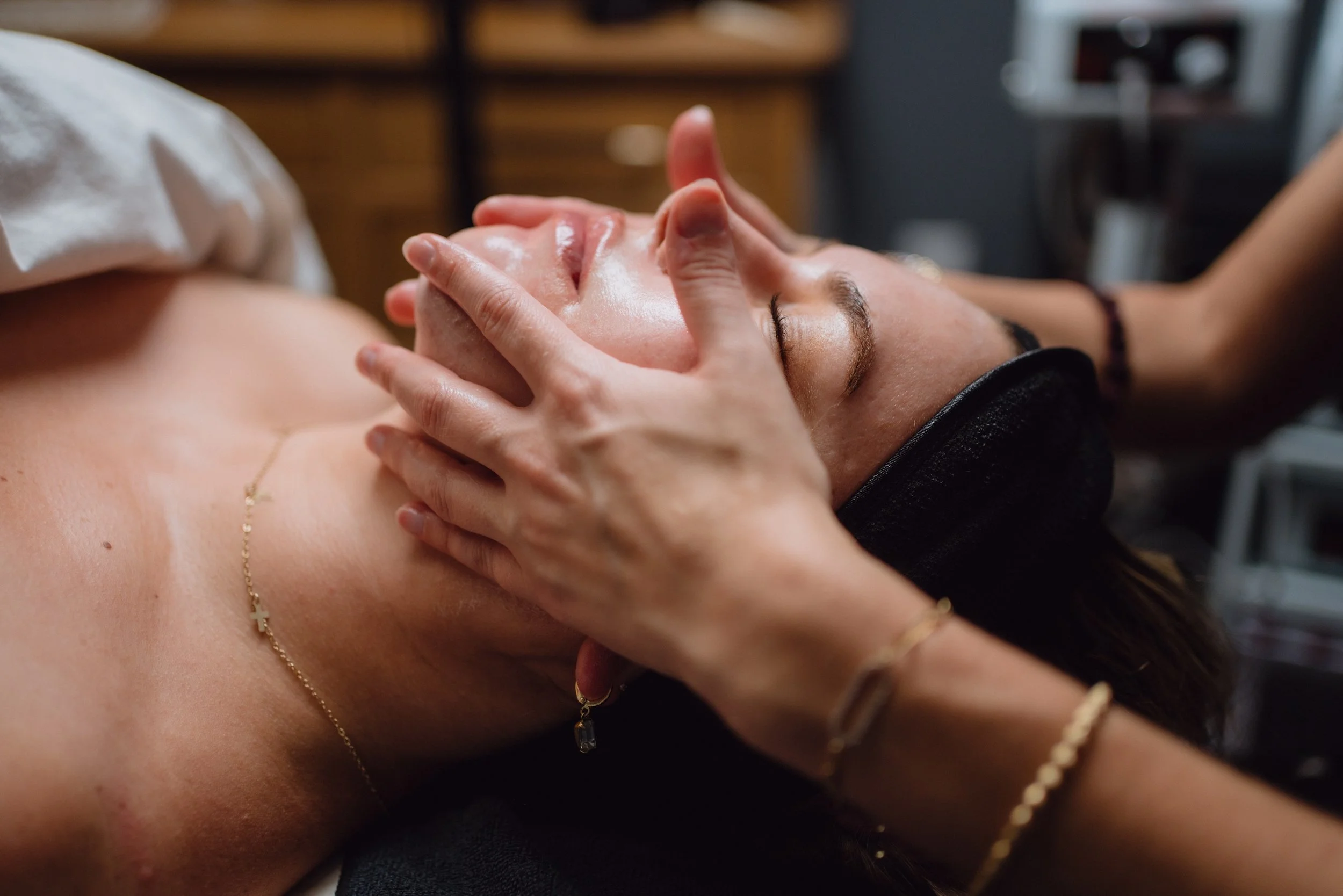
Just Had Dermaplaning? What to Do (and Skip) in the Days After
Fresh, smooth skin is the best part of dermaplaning. Here’s how to protect it in the days after your treatment, plus a few things to skip while your skin settles.
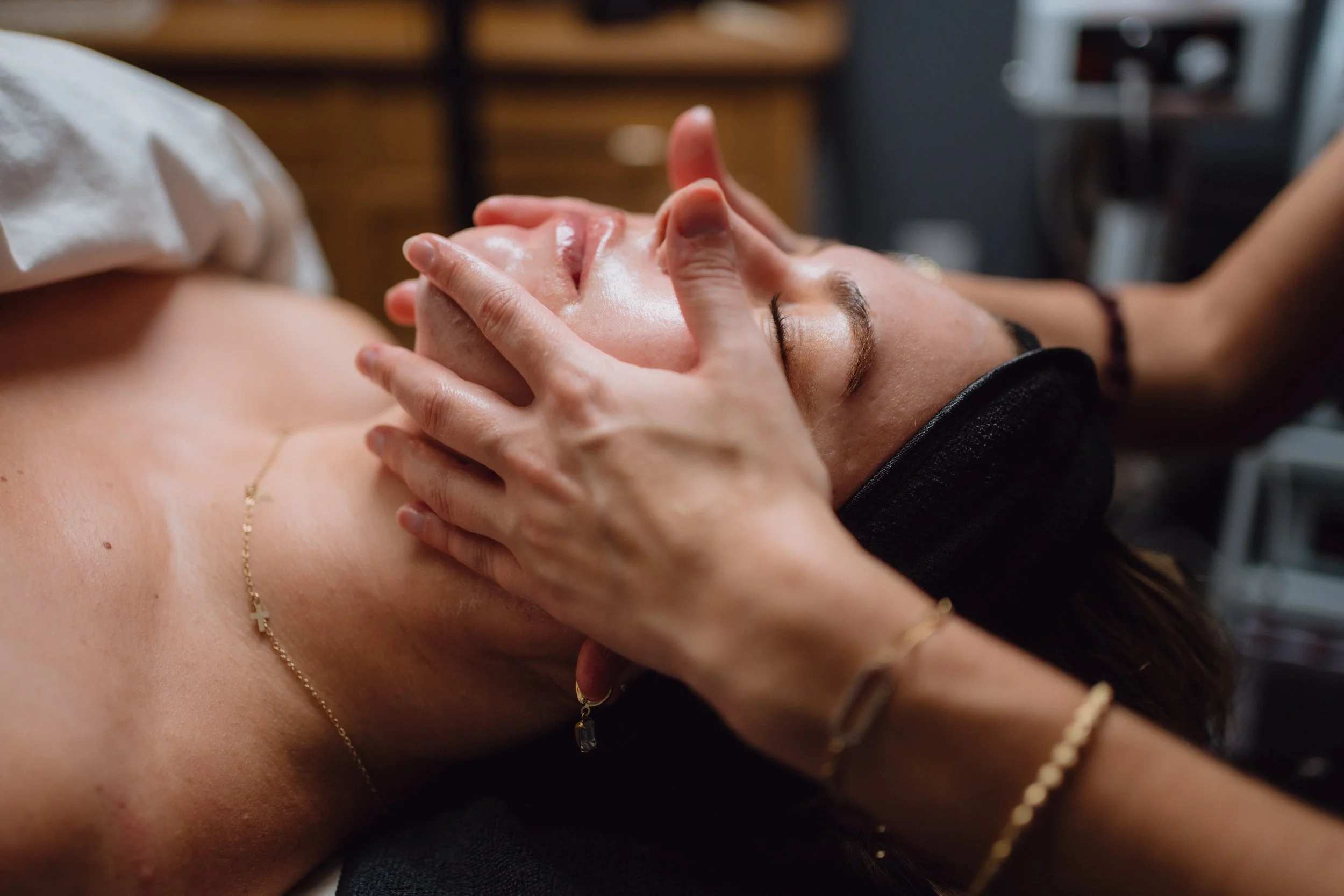
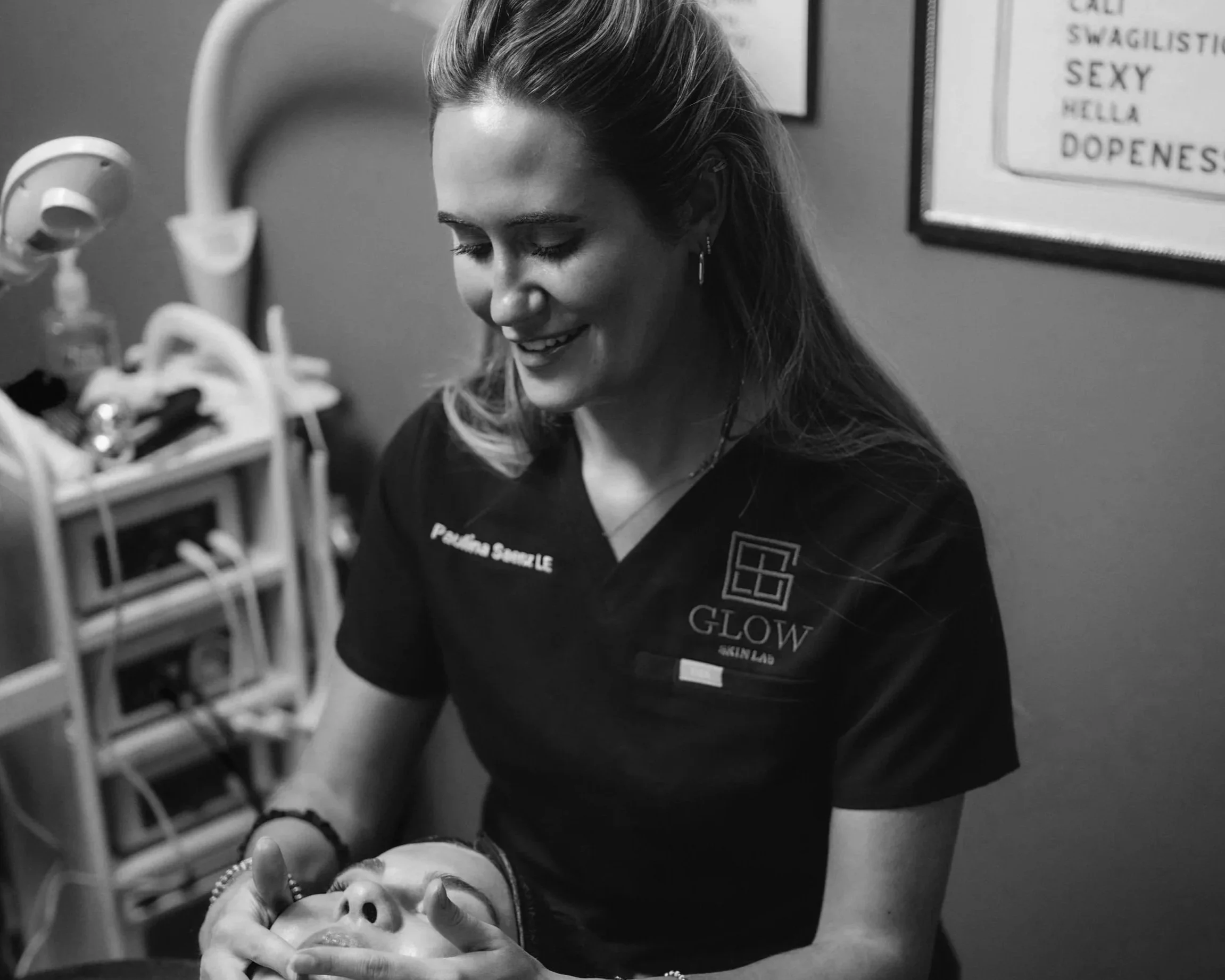
Dermaplaning is a gentle treatment that removes dead skin cells and fine peach fuzz from the face. Most people love how smooth their skin feels afterward, and what you do in the days after your appointment matters too. Here’s how to care for your skin so it stays comfortable and looks its best.
The First 24 to 48 Hours
Right after dermaplaning, your skin may look a little pink and feel more sensitive than usual. This is normal and usually settles quickly. Think of your skin as freshly polished: smooth, but in need of some extra gentleness.
Do
Cleanse gently, morning and night. Use a mild, fragrance-free cleanser. Right after treatment, your skin has less of its usual protective layer, so buildup from sweat, oil, and makeup is more likely to clog pores. Washing gently keeps skin clear without stripping it.
Moisturize and stay hydrated. Because dermaplaning removes the top layer of dead skin cells, your skin has a little less protection for a short time. A simple, hydrating moisturizer helps support your skin’s natural barrier and keeps it from feeling dry or tight while it settles. Drinking plenty of water is a good habit for overall skin health, too.
Wear sunscreen every day. The fresh skin underneath is more sensitive to the sun’s UV rays. Without protection, it can get irritated or red more easily, and sun exposure can lead to uneven skin tone and dark spots over time. Use SPF 30 or higher, reapply when you’re outside, and add a hat or shade when you can.
Keep your hands off your face. Touching or picking can irritate skin and bring bacteria to the surface.
Change your pillowcase. Sleep on a fresh, clean pillowcase the night of your treatment and for the next few nights. Pillowcases pick up oil, sweat, and bacteria that can end up back on your skin.

Skip
Strong active ingredients. Retinol, exfoliating acids (like glycolic or salicylic acid), and vitamin C serums are designed to work strongly on the skin. Right after dermaplaning, they can sting, cause redness, or lead to peeling. Hold off until your skin feels calm.
Scrubs and exfoliating tools. Dermaplaning already removed dead skin cells from the surface. Scrubbing again can cause redness, irritation, and dryness.
Heat and sweat. Heat can make freshly exfoliated skin look redder and feel more irritated, and sweat can sting and clog pores. Skip saunas, steam rooms, hot tubs, and hard workouts for the first 24 to 48 hours.
Heavy makeup. Makeup can settle into pores and trap bacteria while your skin is extra sensitive. If you can, go makeup-free for the first day. If you need makeup, use clean brushes and a light touch.
Other hair removal or facial treatments. Waxing, threading, peels, and similar services also pull at or exfoliate the skin. Layering them on top of dermaplaning can overload skin that’s already sensitive, so wait until your skin has settled.
Long stretches in the sun. Even with sunscreen, extra sun exposure right now can lead to redness and uneven tone.
Will My Hair Grow Back Thicker?
This is the question we hear most, and the answer is no. Dermaplaning doesn’t change how your hair grows. Because the hair is cut at the surface, it may feel a little different as it grows back, but it isn’t thicker or darker.
How Often Can I Get It Done?
Many people repeat dermaplaning about every three to four weeks, which gives your skin time to go through its natural renewal cycle between treatments. What’s right for you depends on your skin, and we’re happy to help you find a schedule that fits.
When to Reach Out
A little pinkness is normal. If your skin feels very irritated, or the redness or discomfort doesn’t improve, please call us at 210-510-0777 or email care@glowskinlabsa.com. We’ll make sure the right person on our team follows up with you.
The Bottom Line
Dermaplaning aftercare is simple: be gentle, moisturize, and protect your skin from the sun. A few easy habits help you get the most out of your treatment.
Ready for smoother skin? [Book a dermaplaning appointment] with Paulina at Glow Skin Lab in San Antonio.

Timing Your Treatments Before the Holidays
Tox, filler, peels and facials each need a different head start. Here is how far ahead to book so results are settled before Thanksgiving and Christmas.
By: Lindsay Sebek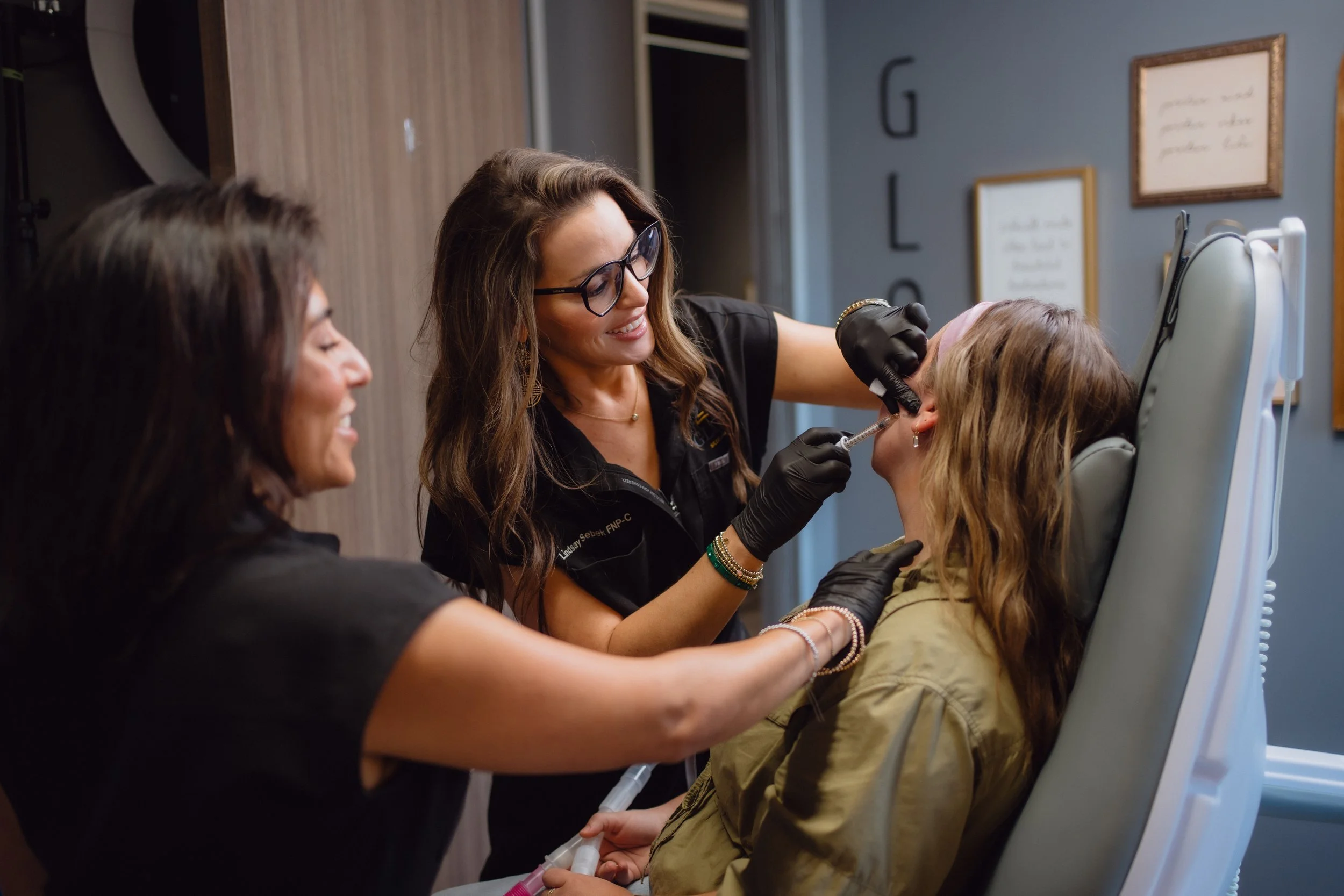
Every year around this time, someone sits in my chair the week of a party and asks if we can fit something in. Sometimes we can. More often, the honest answer is that we would both be happier with the result if we had started a few weeks earlier. Aesthetic treatments are not instant, and most of them look their best on a schedule. Here is how far ahead to plan, treatment by treatment, so you are not racing the calendar in December.
Why Timing Matters More Than People Expect
Most treatments have two separate clocks running. The first is recovery, which is how long any redness, swelling or bruising takes to settle. The second is results, which is how long it takes for the change you came in for to actually show up. Those two clocks are rarely the same length.
Neurotoxin is a good example. There is almost no recovery, but the full effect takes about two weeks to arrive. A peel is the opposite. The change is there quickly, but your skin may flake for several days first. Planning around only one of those clocks is how people end up frustrated.
Everyone responds a little differently, so treat the timelines below as planning ranges rather than promises.
Filler and Lip Filler
Plan on three to four weeks. Swelling and bruising are common and usually settle within one to two weeks, but filler continues to soften and settle for a few weeks after that. Lips in particular can look quite different on day two than they do on day twenty one.
Collagen Stimulators (Sculptra and Radiesse)
These work gradually, which is the whole point of them. They are typically done as a series of sessions spaced several weeks apart, and the change builds over three to six months as your own collagen responds. If you want to see a difference by this holiday season, this one needed to start in late summer. If you are reading this and thinking about next year instead, now is a reasonable time to begin.
Microneedling
Microneedling is usually done as a series, with sessions spaced about four to six weeks apart, and most people have some redness for one to three days afterward. To finish a short series before the holidays, you would need to start within the next week or two and schedule the final session at least two weeks before your event.

Chemical Peels
Timing here depends entirely on the peel. Lighter peels may leave you dry or flaky for three to five days. Deeper ones take longer. As a general rule, leave at least two to three weeks between a peel and an event you care about. This is also the treatment where it is genuinely worth asking us before you book, because the right answer depends on your skin and on which peel you are having.
Facials
Facials are the most flexible thing on this list, which is what makes them a good option when time is short. A hydrating facial a few days before an event works well. Anything involving extractions or exfoliation deserves about a week, since skin can look a little pink or purge briefly afterward.
Our fall menu has the Harvest Glow Peel Facial and the Autumn Latte Facial. They are different experiences rather than different strengths, so ask us which one fits the timeline you are working with.
Medical Grade Skincare
Skincare is the slow one. Most active ingredients need eight to twelve weeks of consistent use before you see a real difference. If a product is part of your holiday plan, it should already be in your routine.

Your Holiday Booking Calendar
Thanksgiving falls on Thursday, November 26 this year. Christmas Day is Friday, December 25, and New Year's Eve is Thursday, December 31. Working backward from those dates:
If Thanksgiving is your date:
Filler, lip filler, or your first neurotoxin appointment: book by Thursday, October 29
Chemical peel: book by Thursday, November 5
Returning neurotoxin patient: book by Thursday, November 12
Facial: the week of November 16
If Christmas or New Year's Eve is your date:
Filler, lip filler, or your first neurotoxin appointment: book by Wednesday, November 25
Chemical peel: book by Friday, December 4
Returning neurotoxin patient: book by Friday, December 11
Facial: the week of December 14
One practical note. The two weeks before Thanksgiving and the first two weeks of December are the busiest stretch of our year. Those appointments fill well ahead of the deadlines above, so treat these as the latest you should book, not the best time to call.
Three Things People Forget
Bruising happens, and it is worth planning around. If you know you bruise easily, build in extra time rather than hoping.
Travel compresses everything. If you are leaving town on the 20th, your real deadline is the 20th, not the 25th.
Ask before you combine treatments. If you are considering more than one thing, the order and the spacing matter. That is a conversation to have with Mandy or me, not something to work out from a blog post.

If You Are Thinking of a Gift
Treatments make a thoughtful gift, but they are a difficult one to schedule on someone else's behalf, especially in December. Gift cards solve that. They let the person choose their own treatment and book at a time that actually works for them, which also keeps them out of the most crowded weeks on our calendar. Just ask the front desk.

Let's Get You on the Calendar
If you are not sure what you need or when to start, that is exactly what a consultation is for. We will talk about what you are hoping for, work backward from your date, and tell you honestly whether it is realistic. Sometimes the answer is to wait until January, and that is a perfectly good answer too.
Why Am I Still Breaking Out In My 30’s and 40’s?
Adult acne is more common than you might think. Here's what's usually behind breakouts in your 30s and 40s, and what can help.

Written by Paulina Saenz · Esthetician
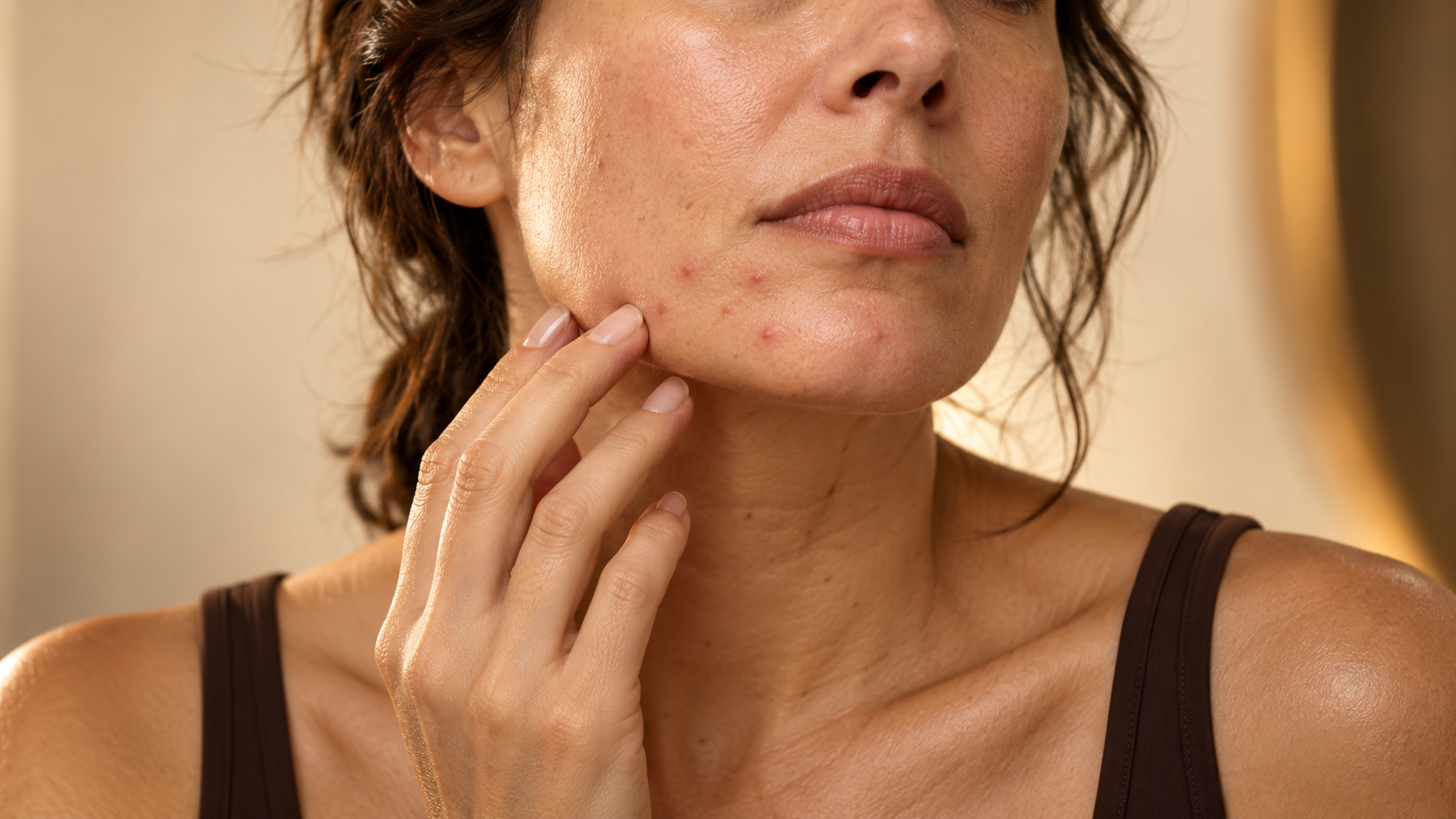
If you thought breakouts were just a teenage problem, you're not alone in being surprised. Adult acne is actually very common, and it can show up even if your skin was clear for years. Here's what's usually behind it, and what can help.
The CausesWhy Adult Skin Still Breaks Out
There's rarely just one cause. A few common ones we see often:
Hormone changes
Shifts from your monthly cycle, pregnancy, or perimenopause can all affect oil production in your skin.
Stress
Stress can raise a hormone called cortisol, which can lead to more oil and more breakouts.
Products that don't fit your skin anymore
Skin changes as you age, so a product that worked well in your 20s might not agree with your skin now.
Clogged pores from buildup
Sunscreen, makeup, and everyday products can build up over the day, especially along the jawline and chin.
Diet and sleep
These don't cause acne on their own, but they can make existing breakouts worse for some people.
Adult acne looks different, too
It tends to sit deeper in the skin, usually around the jawline and chin, and can take longer to heal.
What Can Help
A routine built for your current skin
Skin needs change over time. A gentle cleanser, a non-comedogenic moisturizer (meaning it won't clog pores), and daily sunscreen are a good starting point. Piling on too many active ingredients at once can actually make breakouts worse, so simple is often better.
Facials and professional treatments
Regular facials can help keep pores clear and support healthier-looking skin over time. Depending on your skin, treatments like extractions, chemical peels, or LED light therapy may also help. What's right for you depends on your skin type and how your skin reacts, which is something we can talk through at an appointment.
Consistency over quick fixes
Skin takes time to respond to changes. Switching products too often can make it harder to know what's actually helping.
Give it 4 to 6 weeks before judging if something is workingWhen to loop in a provider
If breakouts are painful, deep under the skin, or not improving with a consistent routine, it's worth having one of our providers take a look. Some causes of adult acne, like hormone imbalances, are best addressed with their guidance.
Adult acne is common, and it's not a sign you're doing something wrong.
The right routine, plus some patience, makes a real difference for most people. If you're not sure where to start, that's exactly what a skin consultation is for.
Curious what's causing your breakouts?
Book a skin consultation with Paulina to build a routine that fits your skin now.
Book a Skin Consultation
The real reason most people never see results.
The real reason most people never see results

Here’s what most people get wrong when it comes to treating their skin and why it keeps them stuck.
They keep changing the plan before anything has time to work.
One month it’s a new skincare line. Then a trending treatment. Then a product someone swore by on TikTok. Then another recommendation from a friend, influencer, or ad promising “instant results.”
And honestly? We get why people do it. When you’re frustrated with your skin, you want relief fast.
But constantly switching products, treatments, or routines usually creates more confusion, more irritation, and more setbacks; because skin responds best to consistency and strategy, not randomness.
The truth is, most skin concerns are connected to deeper patterns happening beneath the surface. Breakouts, redness, dullness, texture, pigmentation, sensitivity, accelerated aging; they rarely improve long-term from one trendy product or a quick fix.
What actually creates results is understanding:
what your skin is actually needing,
what’s making it worse,
and having a plan where each step supports the next.
That’s the part most people never get taught.
Instead, they end up spending years trying “all the things” without ever having a real roadmap. And eventually they start believing nothing works for them.
The good news is, this is completely fixable. And it usually starts with one thing. 🤍

Feeling Overwhelmed by Skincare? Here’s Where to Start
You’re not behind you just haven’t had the right plan yet.



Feeling Overwhelmed by Skincare? Here’s Where to Start
If you’re unsure where to begin with your skin, you’re not alone. Many people have already invested in products, routines, and trending treatments, only to feel frustrated when they don’t see the results they expected.
The problem usually isn’t a lack of effort. It’s a lack of a clear, personalized plan.
Why Isn’t My Skincare Routine Working?
Even great products may not deliver results if they aren’t right for your skin type, concerns, or lifestyle. Using too many products or combining the wrong ingredients can also cause irritation and make it harder to understand what your skin actually needs.
Do I Need More Products?
Probably not. More products don’t always mean better results. A simple, consistent routine with carefully selected ingredients is often more effective than an overflowing skincare shelf.
Is My Skin Just “Difficult”?
Your skin isn’t difficult, and you’re not doing anything wrong. Concerns such as acne, dryness, pigmentation, texture, and signs of aging often require different approaches. What worked for a friend or someone online may not be the right solution for you.
What Is the Best First Step?
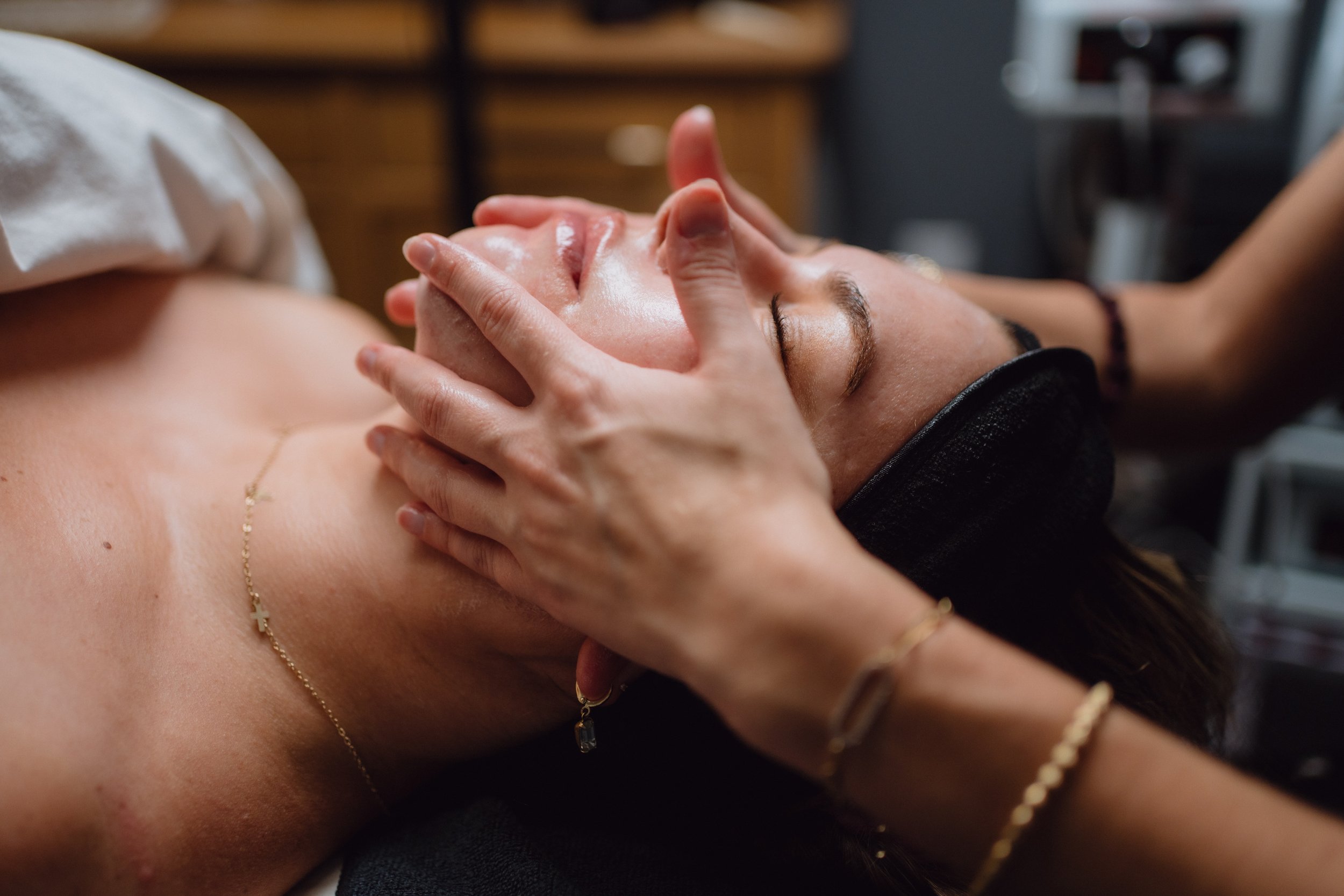
Start with a professional skin consultation. Understanding your skin, your goals, and your current routine allows us to create a plan that feels realistic, personalized, and sustainable.
You are not behind, and you are not failing. You may simply not have found the right plan yet.
At Glow Skin Lab, we’re here to simplify skincare, explain what truly matters, and guide you toward healthier, more confident skin. 🤍

Why Do I Have Lines Between My Eyebrows, Even When I'm Not Frowning?
Where did these lines come from?

Have you noticed lines forming between your eyebrows? Some people call these the "11s." Doctors call them glabellar lines. If you've spotted them, you're not imagining it. This is one of the most common concerns we hear from patients in San Antonio. It's also one of the most misunderstood.
What Causes These Lines
These lines form from muscle movement, done over and over, for years. Every time you frown, squint, or focus hard on something (even your phone screen), the muscles between your brows squeeze together. Over time, this creates a crease in the skin. Eventually, the line can stay visible even when your face is relaxed.
A few things can make these lines show up sooner or get deeper:
Sun exposure, which breaks down collagen (skin firming protein) and elastin (skin-stretch protein) in the skin
Skin type and genes, since some people naturally have thinner skin
Habits, like squinting without sunglasses or frowning a lot
Age, since collagen loss usually becomes more noticeable in your mid to late 30s and beyond
One important note: these lines are not caused by dry skin or skipping skincare. They come mainly from muscle movement. That's why lotions and serums can make skin look and feel better, but they usually can't smooth out a line that muscle movement has already created.
What Can Actually Help
Neuromodulators (Botox, Dysport, and similar treatments)
This is the most common treatment for these lines, and for good reason. These treatments work by relaxing the specific muscles that cause the repeated movement. With less muscle movement, the skin doesn't fold the same way, so the line softens.
This is not a permanent fix. Most people start to see results within three to seven days. Treatments are usually repeated every few months to keep the results. This treatment can soften lines you already have and can also help slow new ones from forming.
Skincare and sun protection
Skincare alone usually can't get rid of a line that's already there. But a good routine, especially daily sunscreen, can support healthier-looking skin and may help slow down further damage.
Combining treatments
Some patients also add other treatments, like resurfacing or hydrating facials, to support their skin overall. What's right for you depends on your skin and your goals. We'll talk through this together at your visit.
What to Expect at a Consultation
If you're curious whether treatment is right for you, a consultation is a simple, no-pressure way to get answers. We'll look at your lines, talk about what you want, and walk you through your options. Every face is different, so what works well for one person may not be the best fit for someone else.
Curious about your options? Book a consultation with our team in San Antonio to talk through what might work best for you.