


The Glow Journal
*
The Glow Journal *

Neurotoxin 101: What it can (and Can’t) Do
Neurotoxin is one of our most popular treatments and one of the most misunderstood. Here is what it does well, what it can’t do, and what to expect at your visit.
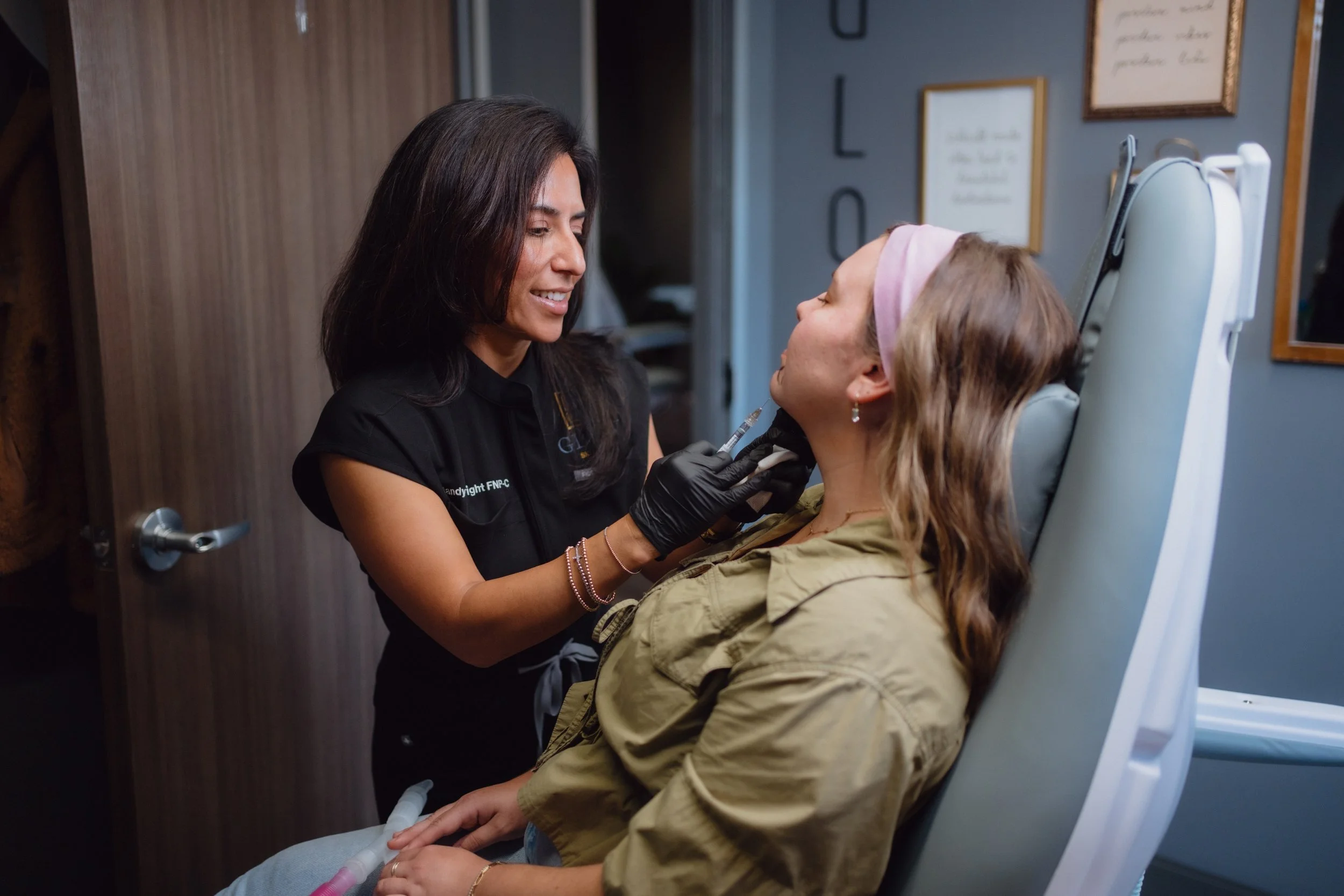
Neurotoxin is one of our most popular treatments at Glow Skin Lab. It is also one of the most misunderstood. You may know the brand names, like Botox, Dysport, Xeomin, Jeuveau, and Daxxify. You may have heard a few myths, too.
This guide explains what neurotoxin is, what it does well, and what it can't do. Knowing both sides helps you know what to expect, so you can love your results.

What is neurotoxin?
Neurotoxin is a protein that relaxes certain muscles for a while. That is all it does. It does not fill, plump, or tighten your skin.
Here is how it works. When you frown, squint, or raise your eyebrows, a muscle tightens. That muscle folds the skin on top of it. Over the years, those folds turn into lines. When the muscle relaxes, it can't fold the skin as much. The lines soften, and new lines are less likely to form.
That is why neurotoxin works best on movement lines. These are lines that show up when you smile, frown, or raise your brows. They fade when your face is still.
What neurotoxin can help with
The most common areas we treat are the upper face:
- Frown lines (the "11s") between the eyebrows
- Forehead lines that run side to side
- Crow's feet at the outer corners of the eyes
Our providers can also use small amounts in other areas, such as:
- Bunny lines on the sides of the nose when you scrunch it
- A small brow lift to open up the eyes
- A "lip flip" to relax the upper lip so more of it shows when you smile
- A gummy smile, so less gum shows when you laugh
- Chin dimpling, the bumpy look some chins get when you talk
- Neck bands that pop out when you tense your neck
- Jaw slimming by relaxing a large chewing muscle
Neurotoxin has some medical uses, too. It may help with heavy underarm sweating. For some people, it may help with jaw clenching and teeth grinding. Some of these are best treated by another kind of doctor. If so, we will tell you.
Good to know: some of these uses are not officially approved by the FDA for cosmetic use. This is called "off-label" use, and it is common in cosmetic treatments. Your provider will explain what this means for you.
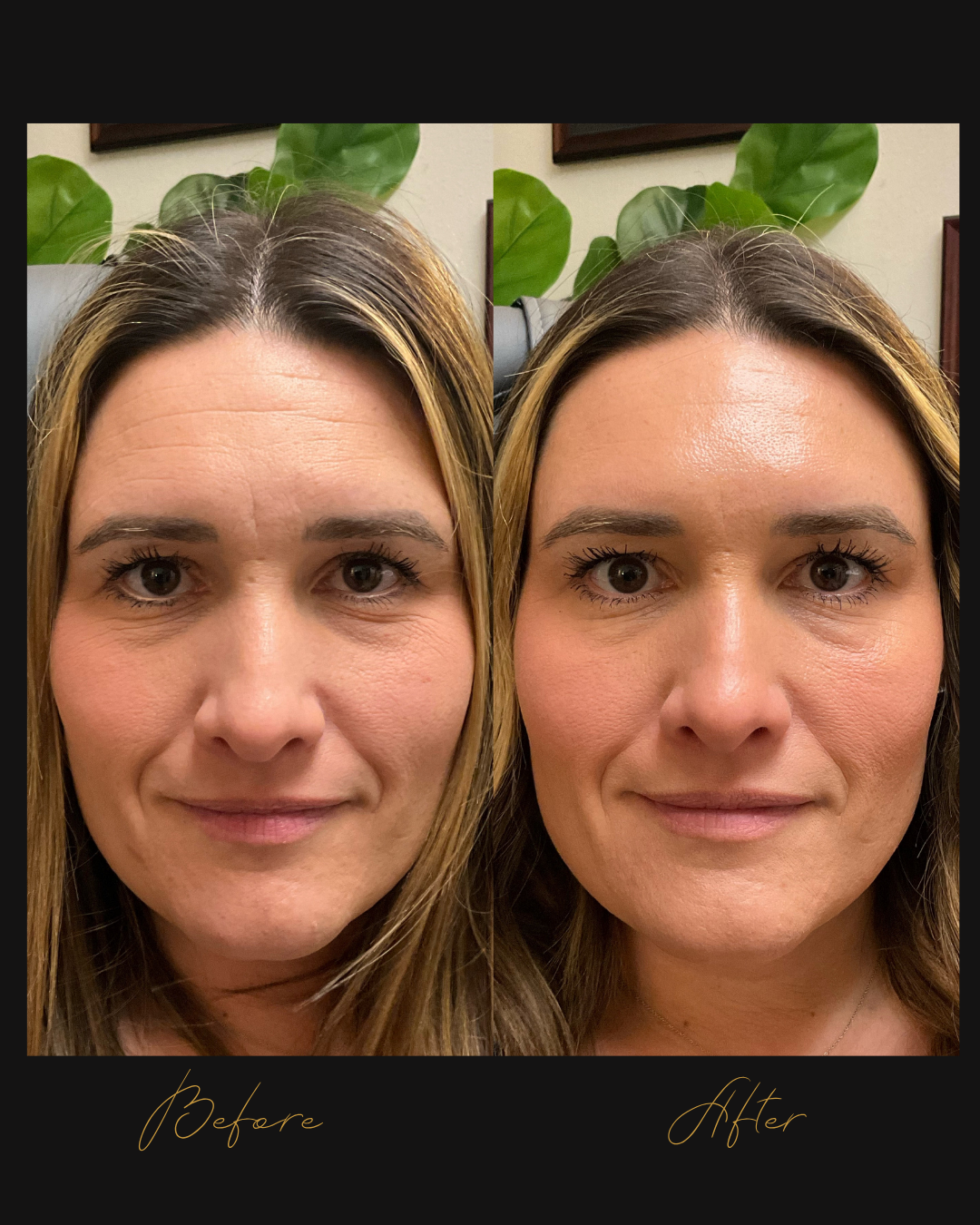
Before and After Upper Face Neurotoxin Treatment
What neurotoxin can't do
Neurotoxin only relaxes muscles. So there are many skin concerns it can't fix. Here are the big ones, and what may help instead.
| Your concern | Why neurotoxin won't fix it | What may help instead |
|---|---|---|
| Lost fullness (hollow cheeks, hollows under the eyes, thinner lips) | It does not add fullness | Filler, or treatments that help your skin build back firmness |
| Loose or sagging skin, or jowls | It does not lift or tighten skin | Skin tightening treatments, or a visit with a plastic surgeon |
| Deep lines that show even when your face is still | It can soften them, but may not erase lines that are already set in | Neurotoxin plus filler, microneedling, or a peel |
| Smile lines around the nose and mouth | These come mostly from losing fullness, not from muscles | Filler, often with good skincare |
| Rough skin, large pores, or acne scars | It does not change the top layer of your skin | Facials, peels, microneedling, and professional skincare |
| Sun spots, redness, or uneven skin color | It does not change skin color or dark spots | Peels, laser or light treatments, and daily sunscreen |
| Fat under the chin | It does not melt fat | Fat-reduction treatments, or a visit with a plastic surgeon |
The bottom line: neurotoxin is great for movement lines, but it is just one tool. Most people get their best results by combining a few treatments over time.
What to expect
Every new patient starts with a consultation. Your provider will talk with you about your goals and make sure neurotoxin is medically right for you before any treatment is done.
- The treatment visit is quick. Once your consultation is done, your treatment visit takes about 30 minutes total. Most people go right back to their day.
- Results take a little time. Many people see a change in a few days. Full results show up at about two weeks.
- It does not last forever. Results usually last about three to four months. This depends on the product, the area, and your body. Regular touch-ups keep your results looking steady.
- "Frozen" is not the goal. Your provider can adjust the amount and where it goes, so you still look like you, just more rested.
Like any medical treatment, neurotoxin can have side effects. These may include mild bruising, soreness, or a headache. Your provider will go over these with you and answer your questions first.
Not sure if neurotoxin is right for you?
That is what a consultation is for. We will talk about your concerns and what results to expect. Then we will suggest a plan that fits your goals, with or without neurotoxin.
To book a consultation, call us at 210-510-0777 or book online here.
This article is for learning only. It is not medical advice. Results are different for everyone. Treatment is only given after a consultation with one of our licensed providers, and only if it is medically right for you.
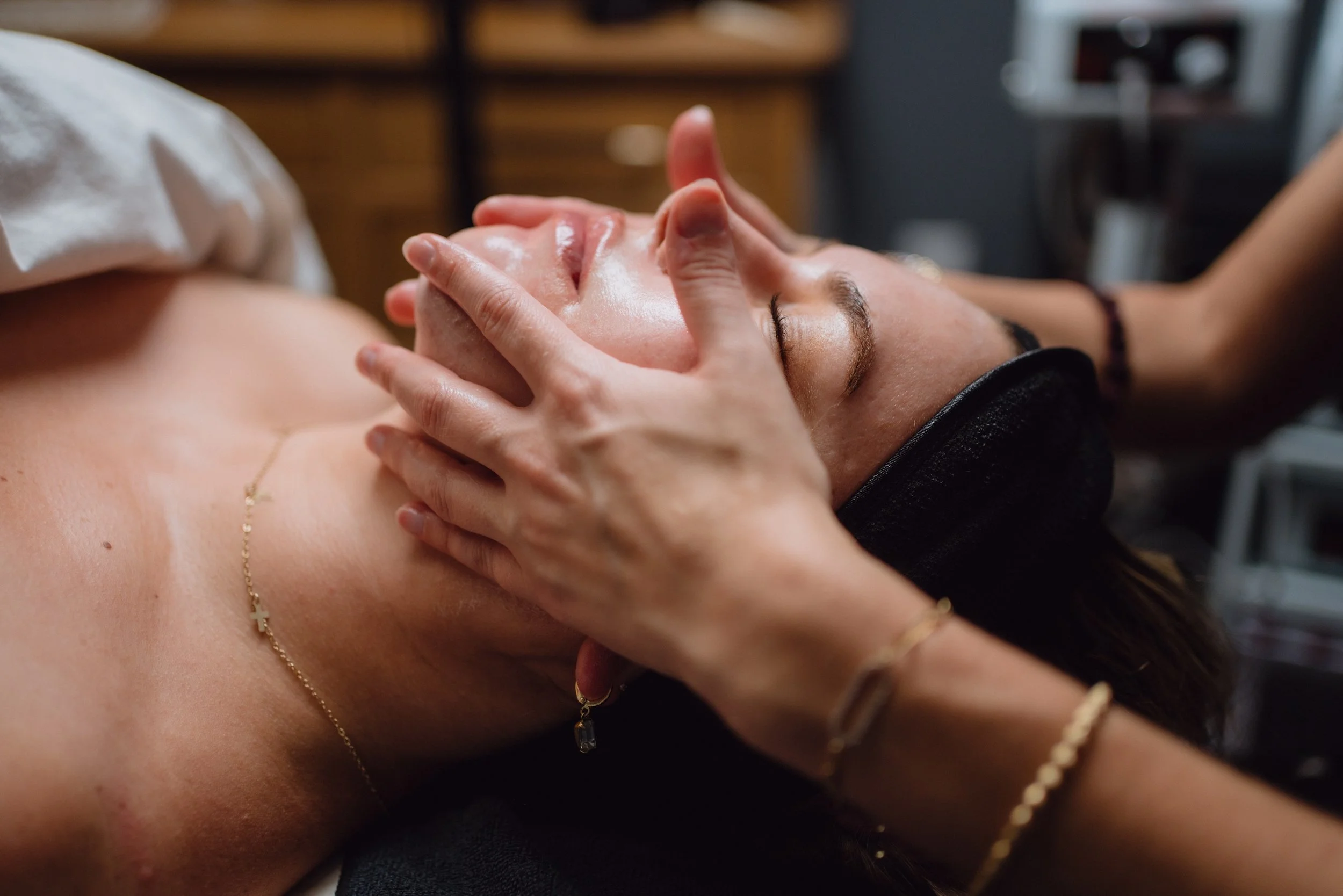
Just Had Dermaplaning? What to Do (and Skip) in the Days After
Fresh, smooth skin is the best part of dermaplaning. Here’s how to protect it in the days after your treatment, plus a few things to skip while your skin settles.
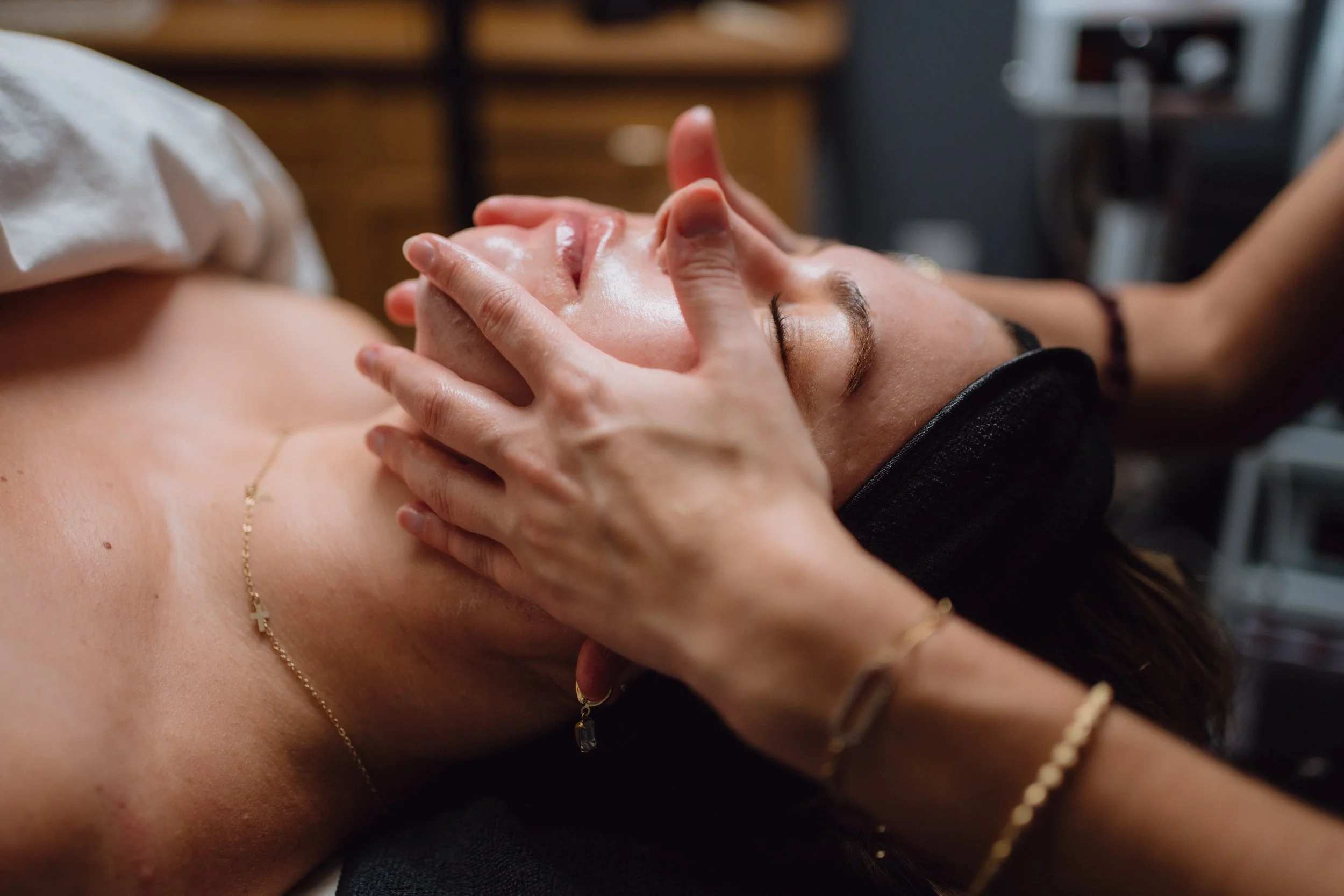
Dermaplaning is a gentle treatment that removes dead skin cells and fine peach fuzz from the face. Most people love how smooth their skin feels afterward, and what you do in the days after your appointment matters too. Here’s how to care for your skin so it stays comfortable and looks its best.
The First 24 to 48 Hours
Right after dermaplaning, your skin may look a little pink and feel more sensitive than usual. This is normal and usually settles quickly. Think of your skin as freshly polished: smooth, but in need of some extra gentleness.
Do
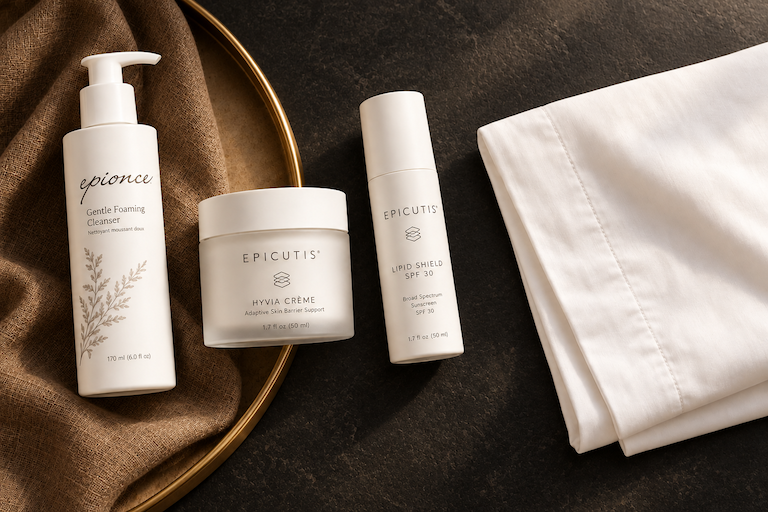
Cleanse gently, morning and night. Use a mild, fragrance-free cleanser. Right after treatment, your skin has less of its usual protective layer, so buildup from sweat, oil, and makeup is more likely to clog pores. Washing gently keeps skin clear without stripping it.
Moisturize and stay hydrated. Because dermaplaning removes the top layer of dead skin cells, your skin has a little less protection for a short time. A simple, hydrating moisturizer helps support your skin’s natural barrier and keeps it from feeling dry or tight while it settles. Drinking plenty of water is a good habit for overall skin health, too.
Wear sunscreen every day. The fresh skin underneath is more sensitive to the sun’s UV rays. Without protection, it can get irritated or red more easily, and sun exposure can lead to uneven skin tone and dark spots over time. Use SPF 30 or higher, reapply when you’re outside, and add a hat or shade when you can.
Keep your hands off your face. Touching or picking can irritate skin and bring bacteria to the surface.
Change your pillowcase. Sleep on a fresh, clean pillowcase the night of your treatment and for the next few nights. Pillowcases pick up oil, sweat, and bacteria that can end up back on your skin.
Skip
Strong active ingredients. Retinol, exfoliating acids (like glycolic or salicylic acid), and vitamin C serums are designed to work strongly on the skin. Right after dermaplaning, they can sting, cause redness, or lead to peeling. Hold off until your skin feels calm.
Scrubs and exfoliating tools. Dermaplaning already removed dead skin cells from the surface. Scrubbing again can cause redness, irritation, and dryness.
Heat and sweat. Heat can make freshly exfoliated skin look redder and feel more irritated, and sweat can sting and clog pores. Skip saunas, steam rooms, hot tubs, and hard workouts for the first 24 to 48 hours.
Heavy makeup. Makeup can settle into pores and trap bacteria while your skin is extra sensitive. If you can, go makeup-free for the first day. If you need makeup, use clean brushes and a light touch.
Other hair removal or facial treatments. Waxing, threading, peels, and similar services also pull at or exfoliate the skin. Layering them on top of dermaplaning can overload skin that’s already sensitive, so wait until your skin has settled.
Long stretches in the sun. Even with sunscreen, extra sun exposure right now can lead to redness and uneven tone.
Will My Hair Grow Back Thicker?
This is the question we hear most, and the answer is no. Dermaplaning doesn’t change how your hair grows. Because the hair is cut at the surface, it may feel a little different as it grows back, but it isn’t thicker or darker.
How Often Can I Get It Done?
Many people repeat dermaplaning about every three to four weeks, which gives your skin time to go through its natural renewal cycle between treatments. What’s right for you depends on your skin, and we’re happy to help you find a schedule that fits.
When to Reach Out
A little pinkness is normal. If your skin feels very irritated, or the redness or discomfort doesn’t improve, please call us at 210-510-0777 or email care@glowskinlabsa.com. We’ll make sure the right person on our team follows up with you.
The Bottom Line
Dermaplaning aftercare is simple: be gentle, moisturize, and protect your skin from the sun. A few easy habits help you get the most out of your treatment.
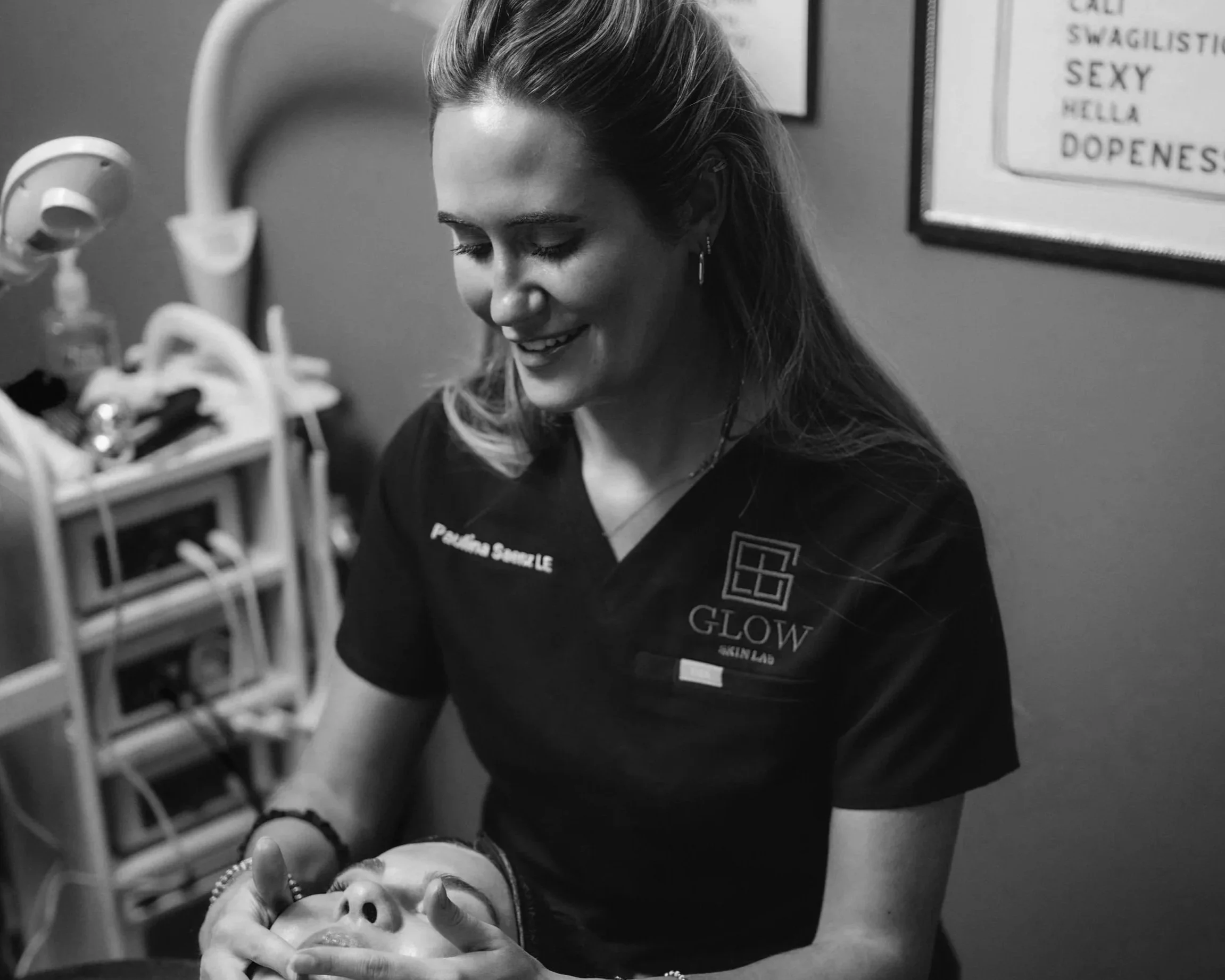
Ready for smoother skin? [Book a dermaplaning appointment] with Paulina at Glow Skin Lab in San Antonio.